
Sound Medicine: An Integral Pillar of Precision Wellness Medicine
For many of us, sound arrives before words: the lull of a mother’s voice, the cadence of her breathing, the surrounding world humming with life. A familiar song can carry a memory. A reassuring voice can make us feel less alone. There is something deeply human in the way we listen.
Yet sound can become background noise in a crowded day. Precision Wellness Medicine (PWM) invites us to return to this forgotten language with curiosity, care, and respect for the person listening.
Sound Medicine brings the science of sound into the life you actually live. Explore music, hearing, everyday stress, and listening comfort through clear explanations and practical questions. Your preferences, culture, hearing needs, and freedom to choose quiet belong in that conversation.
Here, Sound Medicine names an educational part of Precision Wellness Medicine. It connects to the Auditory Plasticity Framework, the study of hearing and the nervous system’s ability to adapt, within the same original nine-part map.
Find your listening starting pointExplore the science in plain language


Introduction: The Forgotten Language of Sound
The doctrine, meaning the guiding principles, begins with a person. What do you enjoy hearing? Which sounds feel tiring? When would quiet be more welcome? A useful listening choice starts with those questions.
Our commitment is to bring scientific care and compassionate application together. Auditory neuroscience studies how hearing and the nervous system work. Ear, nose, and throat medicine addresses health in those areas. These fields help us ask better questions; they do not turn every recording into a treatment.
Three principles guide this page: understand the evidence, respect the listener, and protect hearing. You should be able to see where a claim comes from, what it means in ordinary life, and when to ask a qualified professional for help.
Music therapy is a professional service with an appropriately trained practitioner, personal goals, and a therapeutic relationship. General listening education serves a different purpose. Learn how the American Music Therapy Association describes music therapy.
1. The Doctrine of Sound Medicine in Precision Wellness
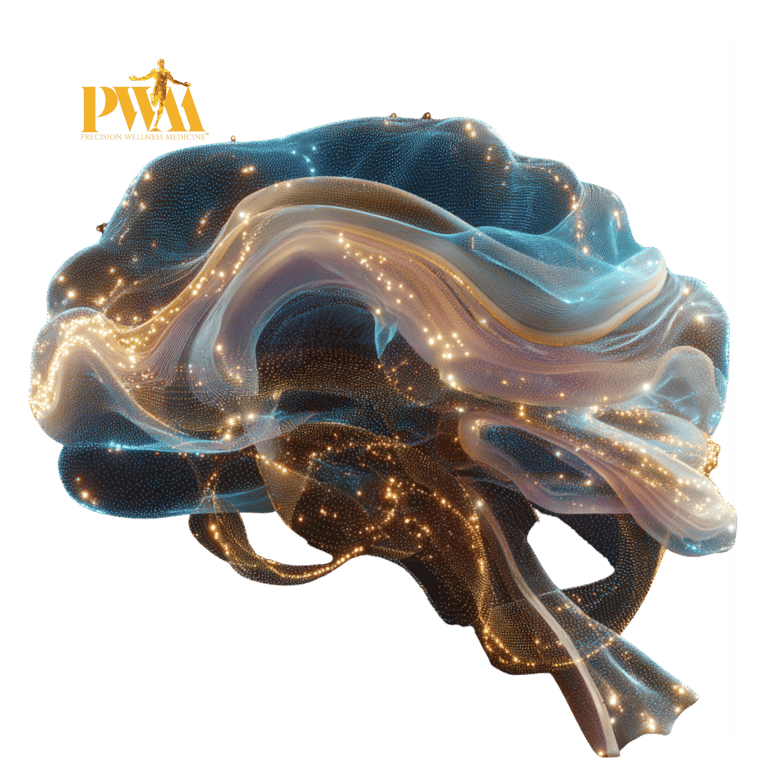
The auditory system is the network that allows us to hear. Sound waves set structures in the ear into motion. In the cochlea, a fluid-filled part of the inner ear, sensory cells help turn that movement into signals that travel to the brain. See how hearing works.
Music engages several brain systems involved in thinking, emotion, sensation, and movement. Research suggests that music-based activities may help some people with certain symptoms, but findings depend on the activity, the setting, and the outcome studied. Read the National Center for Complementary and Integrative Health overview.
Neuroplasticity means the nervous system’s ability to change with experience and other influences. It is a scientific concept, not proof that a branded sound track repairs the brain, restores hearing, or changes a disease.
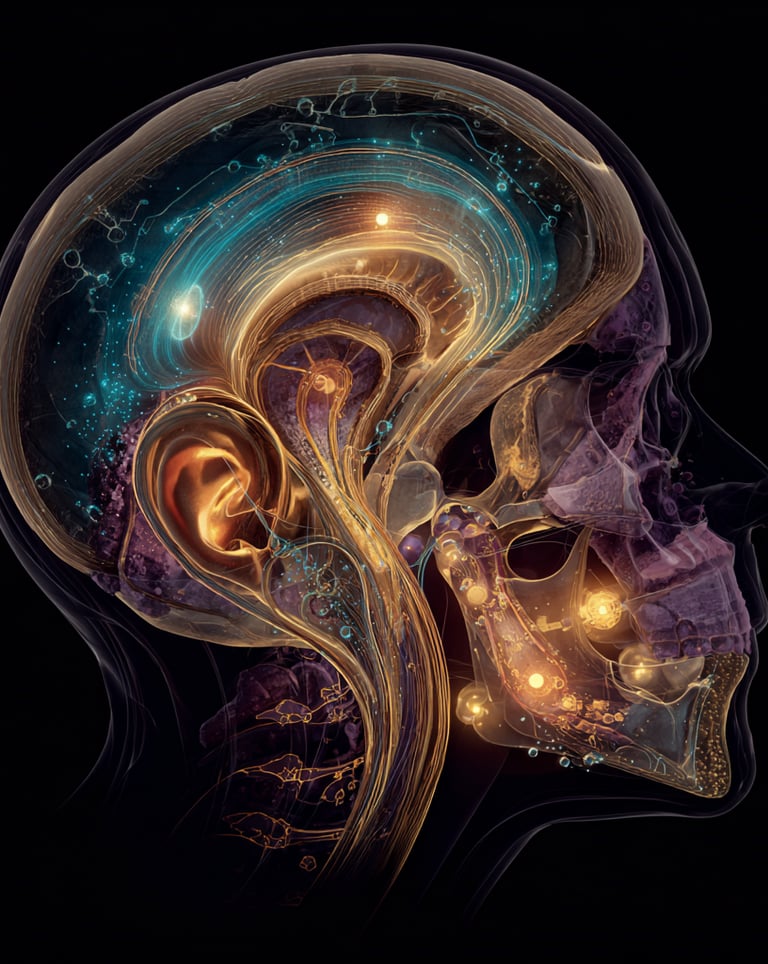
The glowing pathways in our original illustrations express the connection between sound and the body. They are conceptual artwork, not medical scans or evidence of a treatment result.
2. Scientific Foundations of Sound Medicine
PRECISION WELLNESS MEDICINE™
Copyright © 2026 Precision Wellness Medicine. All rights reserved.